Holiday Art Care: Protecting Artwork During the Christmas Season
The days leading up to Christmas are often filled with decorating, hosting, and rearranging living spaces.
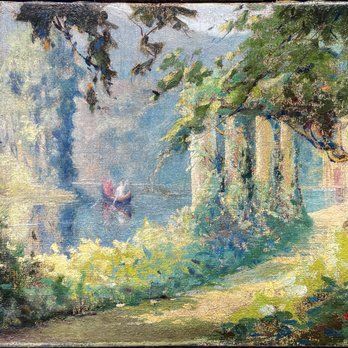
While these seasonal traditions bring warmth and celebration, they also introduce conditions that can quietly affect artwork. Changes in temperature, humidity, lighting, and household activity tend to peak during the holidays—and for paintings and framed works, these shifts can accelerate deterioration.
At
Fine Art Conservation Laboratories, Inc. (FACL), we frequently hear from clients after the holidays who are searching for
art restoration
near them because they’ve noticed new cracks, surface changes, or structural movement. In many cases, the damage began weeks earlier during seasonal environmental stress.
Why the Holiday Season Can Be Hard on Artwork
Artwork is made from materials that respond to their environment.
During the Christmas season, multiple stressors often occur at once:
- Indoor heating that dries the air
- Decorative lighting that produces localized heat
- Candles or fireplaces releasing fine soot
- Increased humidity from cooking and gatherings
- More movement from furniture rearranging and guests
Individually, these changes may seem minor. Together, they can lead to issues that later require
painting restoration or professional
artwork conservation to stabilize.
Christmas Trees, Decorations, and Painting Placement
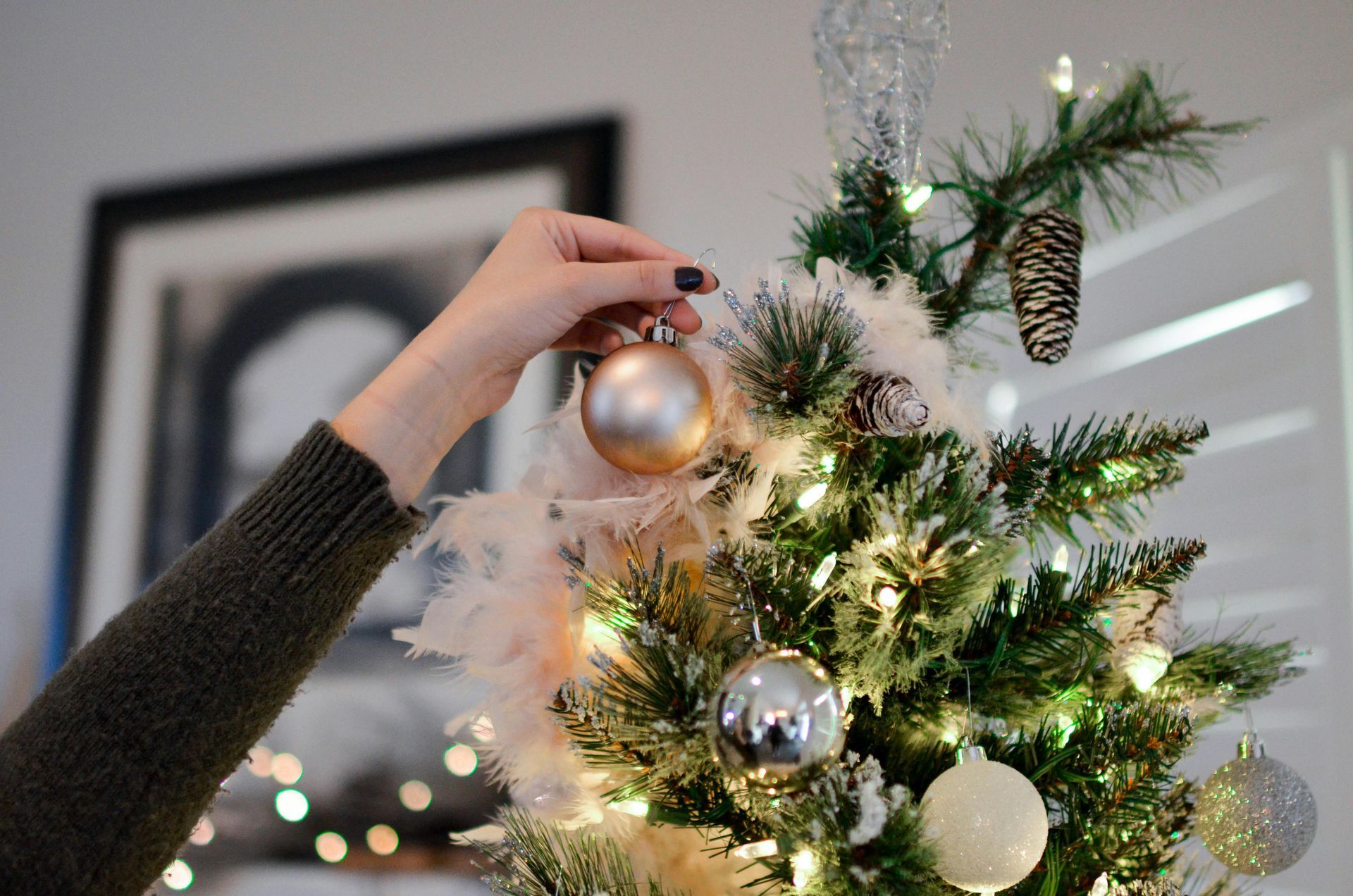
Holiday décor often ends up closer to artwork than intended. Christmas trees—natural or artificial—introduce moisture, vibration, and temperature variation into a room.
To reduce risk:
- Keep paintings several feet away from trees and light strands
- Avoid hanging artwork directly behind or above decorative lighting
- Never lean framed paintings against walls during decorating
- Watch carefully for water spills near tree stands
These precautions help limit environmental stress that can contribute to long-term
fine art restoration needs.
Candles, Fireplaces, and Surface Contamination
Candles and fireplaces add warmth and atmosphere, but they also release microscopic soot particles that settle invisibly onto painted surfaces and varnish layers.
Over time, soot accumulation can:
- Dull color saturation
- Embed into textured paint
- Require specialized cleaning during conservation treatment
This is a common issue addressed during
artwork conservation evaluations following winter months, particularly when artworks are displayed near heat sources.
Winter Heating and Humidity Fluctuations
In colder months, heating systems significantly lower indoor relative humidity—especially in arid climates like Las Vegas.
Low humidity can cause:
- Canvas to slacken or distort
- Paint layers to crack or lift
- Wooden supports or frames to warp or split
Maintaining stable conditions helps reduce structural stress and minimizes the need for corrective
painting restoration later on.
Hosting Guests Without Putting Artwork at Risk
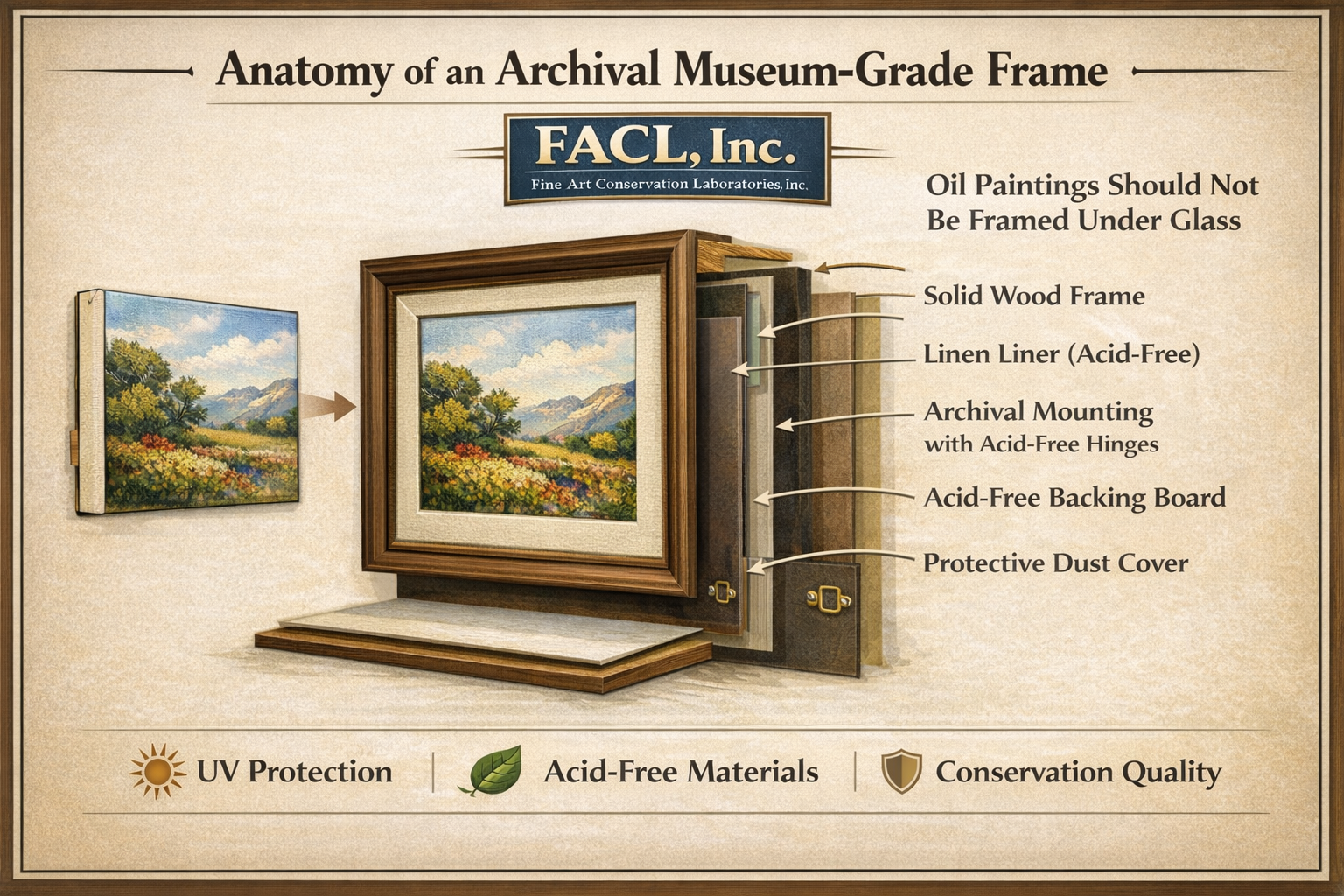
Before hosting:
- Check that hanging hardware is secure and appropriate for the artwork’s weight
- Avoid displaying valuable pieces in narrow walkways
- Keep food and drinks well away from artwork
- Consider temporarily relocating fragile or high-value works
Preventive care is a core principle of professional
artwork conservation, and these steps can prevent avoidable damage.
Artwork Storage During the Holiday Season
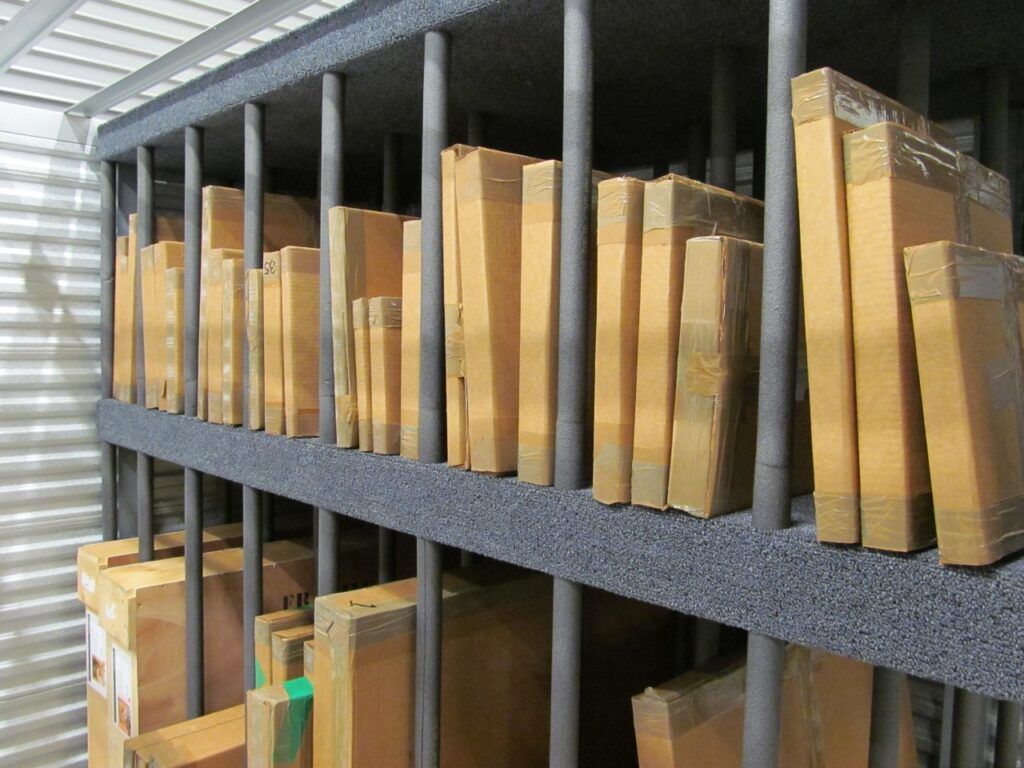
Temporary storage is sometimes necessary during decorating or travel. However, improper storage is one of the most common causes of damage we see during conservation assessments.
Safe artwork storage guidelines include:
- Storing artwork upright and well supported
- Using only acid-free, archival materials
- Avoiding garages, attics, or exterior walls
- Keeping temperature and humidity as stable as possible
When in doubt,
professional guidance on artwork storage can prevent irreversible deterioration.
When to Seek Professional Art Restoration
The holiday season often reveals issues that were already developing beneath the surface.
You may want to consult a conservator if you notice:
- New cracking, flaking, or lifting paint
- Surface haze or discoloration
- Movement in the canvas or frame
- Evidence of smoke, heat, or water exposure
Many clients begin their search with "art restoration near me", but selecting a lab with museum-level training and experience ensures proper evaluation and ethical treatment.
At Fine Art Conservation Laboratories, Inc., our approach to
fine art restoration focuses on stabilization, preservation, and respect for original materials—never unnecessary alteration.
Holiday Awareness, Year-Round Preservation
While the Christmas season brings unique challenges, the habits you practice now support long-term preservation. Thoughtful placement, environmental stability, and early professional assessment help ensure artwork remains intact for future generations.
If you have concerns about a painting or object in your collection, a professional consultation can provide clarity and peace of mind—during the holidays and beyond.
Questions About Your Artwork’s Condition?
If you’re unsure whether a painting is properly framed, supported, or stored, a professional evaluation can help protect it long-term.
👉 Request an artwork consultation with Fine Art Conservation Laboratories, Inc.
Call
702-745-2352
Book a Service Today
Want to learn more about art conservation? Visit our educational resource site here!
FACL, Inc. Blog - Art Conservation Education