Thinking About Cleaning an Old Oil Painting Yourself? Read This First.
Why DIY Painting Cleaning Can Destroy Your Artwork: A Warning for Las Vegas Art Lovers (and Beyond)
Can you clean an oil painting at home?
In almost every case—no.
At Fine Art Conservation Laboratories (FACL, Inc. - Las Vegas), we regularly meet collectors, homeowners, and families who mean well but accidentally cause damage to their artwork or heirlooms by attempting DIY painting cleaning. One wrong solvent, one paper towel, or one “quick fix” can destroy original paint, erase signatures, and reduce the value of a painting dramatically.
In one unforgettable case, a collector turned a beautiful Dutch interior painting worth approximately $35,000 into a permanently damaged artwork in less than 30 minutes.
This is exactly why professional painting restoration matters.
A Real Story From Our Art Restoration Lab
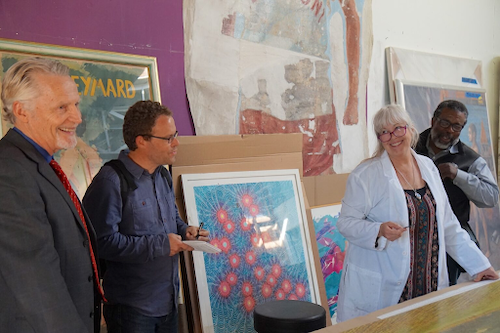
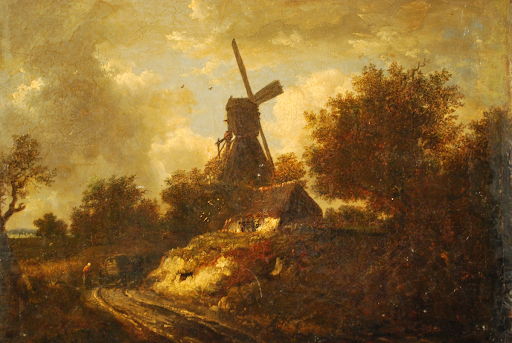
We often host educational tours at our conservation laboratory where collectors and art lovers bring in paintings for discussion. During one visit, a gentleman brought in a beautifully painted vintage Dutch interior scene.
Like many collectors, he asked the most common questions:
Frequently Asked Questions About Painting Restoration
- How much is my painting worth?
- How much does it cost to clean a painting?
- Is it worth restoring?
- Can I clean my painting myself?
These are fair questions—and important ones. Because professional conservators follow strict ethical standards, we do not provide formal appraisals. However, based on comparative quality and decades of experience, Scott M. Haskins estimated that this particular painting could reasonably fall into the $35,000 range.
The next question was predictable:
“How much would it cost to clean it?”
Why Cleaning an Oil Painting Is More Complicated Than It Looks
Under magnification, we demonstrated how conservators test varnish removal using a stereo binocular microscope. Older oil paintings often contain layers of aged varnish that yellow over time. Removing that varnish sounds simple—but it is not.
Many historic paintings were created using techniques where varnish was mixed directly into the original paint layers to create transparency and depth. That means using the wrong solvent does not just remove dirt—it can dissolve the original paint itself.
Professional conservators perform:
- solvent testing under magnification
- material analysis
- staged cleaning tests
- reversible treatment methods
This is not something safely done with household supplies.
At FACL, we say it often: We never damage artwork while working on it.
Our work requires patience, testing, and experience.
Two Weeks Later: The Painting Came Back Ruined
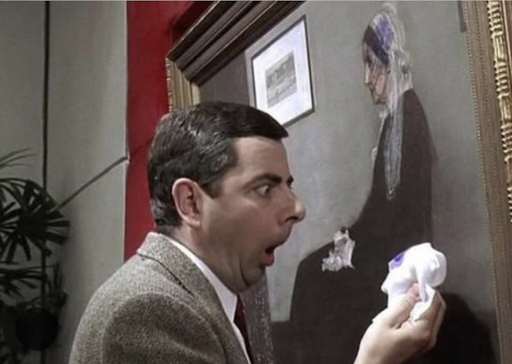
About two weeks later, the same collector returned. As he unwrapped the painting, he casually said:
“I cleaned it myself.”
That sentence immediately made everyone in the lab nervous.
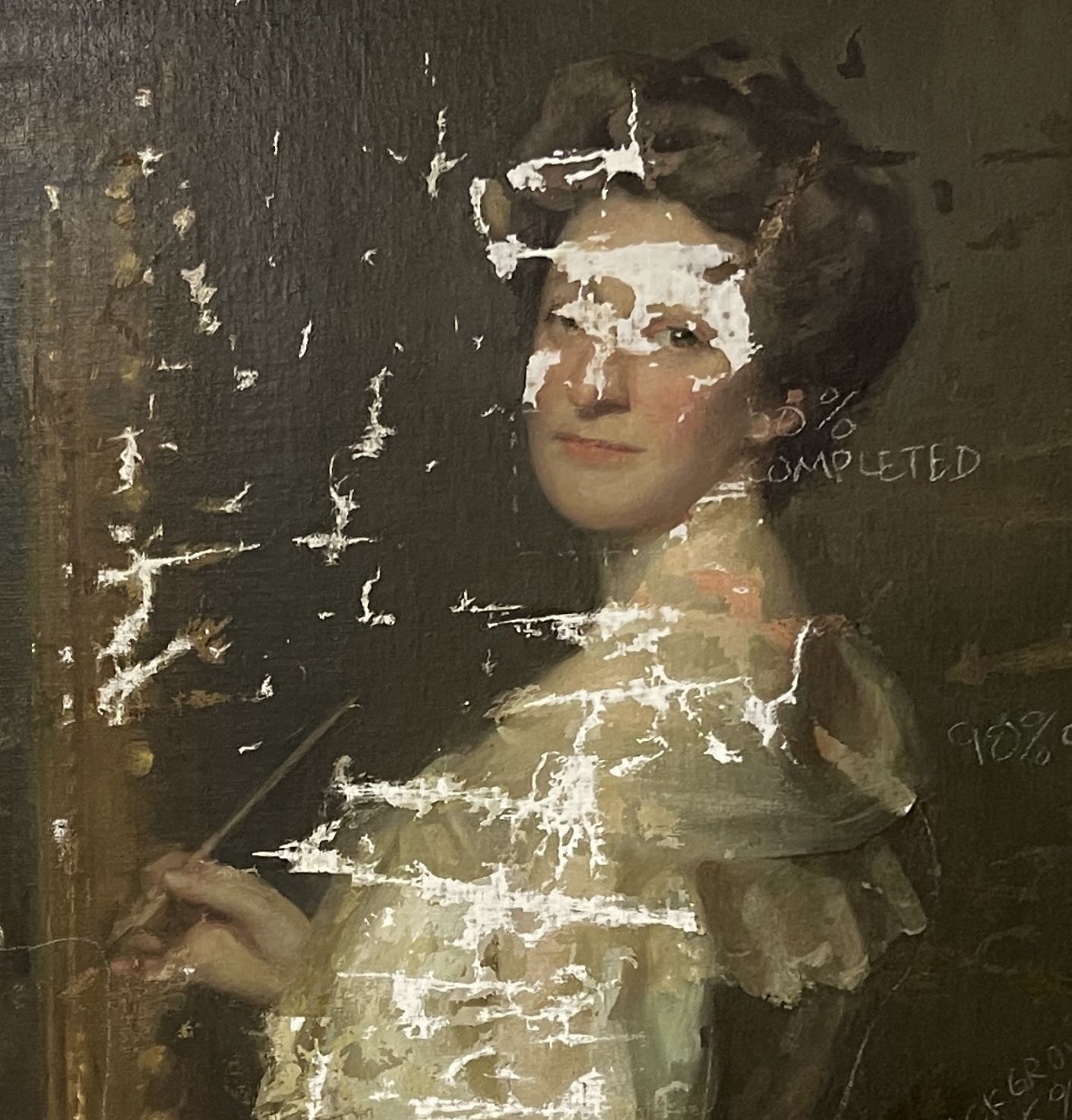
The damage was severe. He had used a rag and a strong solvent he assumed was similar to what he saw during our microscope demonstration. Instead of removing old varnish, he dissolved the original paint across the entire surface.
Fine details were gone.
The signature was nearly erased.
Surface transparency had been stripped away.
The painting had been permanently “skinned.”
A $35,000 artwork had been reduced to a shadow of what it once was. And unfortunately, there was no true way to reverse that loss.
Why Repainting Does Not Restore Value
Many people assume damaged areas can simply be “painted back.”
That is not restoration.
That is replacement.
Even the most talented artist cannot recreate the original hand of the painter. Once original material is lost, historical and market value are also lost. Professional inpainting is different.
Inpainting is:
- carefully limited
- reversible
- documented
- designed to preserve—not replace—the original
This distinction matters greatly for collectors, insurance claims, and family heirlooms.
Family Heirlooms Are the Most Common DIY Casualties
We see this constantly with family portraits and inherited artwork.
A relative says:
“My friend is an artist—they can fix it.”
Then the overpainting begins.
- Brushstrokes are changed.
- Faces lose character.
- Historic surfaces disappear.
- The soul of the painting gets buried under modern paint.
Families usually hate the result and then call us to try to undo it. Sometimes we can help. Sometimes the original is gone forever.
A Famous DIY Restoration Disaster: “Monkey Jesus”
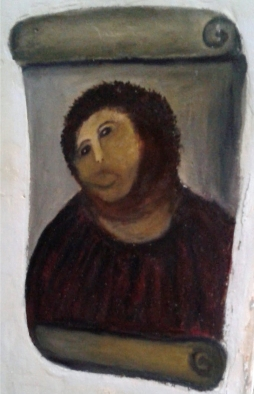
You may remember the famous Spanish fresco restoration known worldwide as “Monkey Jesus.”
An elderly parishioner attempted to restore the devotional fresco Ecce Homo herself. The result turned a solemn religious image into an internationally viral cartoon. It became a joke online, and the original artwork was lost.
The same thing happens privately every day inside homes—just without the headlines. DIY restoration is not harmless experimentation. It can permanently erase history.
Las Vegas Climate Creates Additional Risks
In Las Vegas, paintings face added stress from:
- dry desert air
- strong sunlight and UV exposure
- fluctuating indoor temperatures
- improper framing materials
- dust accumulation
- long-term storage damage
This often leads homeowners to think a simple cleaning is enough. Usually, it is not.
A professional evaluation helps determine whether the issue is dirt, yellowed varnish, flaking paint, mold, smoke damage, or structural deterioration. Each issue requires a different treatment.
What To Do Instead of DIY Cleaning
If your painting looks:
- yellowed
- dull
- cracked
- smoky
- stained
- moldy
- rippled
- flaking
- dirty
- warped
do not attempt to clean it yourself.
Instead: Call a Professional Conservator First
At FACL Las Vegas, we help with:
- oil painting restoration
- family portrait conservation
- heirloom painting repair
- disaster response for fire and water damage
- insurance documentation
- frame conservation
- archival storage solutions
A short conversation can prevent permanent damage.
Need Painting Restoration in Las Vegas?
Fine Art Conservation Laboratories provides museum-standard painting restoration and conservation services for homeowners, collectors, institutions, and insurance claims throughout Las Vegas and Henderson.
Call us to discuss your artwork:
FACL Las Vegas
702-745-2352
Or for immediate consultation:
Scott M. Haskins
(805) 570-4140
Protect the original. Preserve the story.
Book a Service Today
Want to learn more about art conservation? Visit our educational resource site here!
FACL, Inc. Blog - Art Conservation Education